Does Acne Treatment Help Minimize Acne-Related Redness?

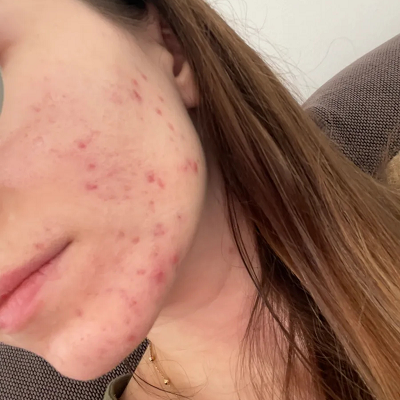
Acne-related redness is one of the most common concerns among people dealing with ongoing breakouts. Even when pimples begin to heal, the skin may continue to appear inflamed, irritated, or uneven in tone. Many individuals seeking علاج حب الشباب في دبي want to know whether treatment can help reduce this persistent redness while also improving the overall appearance of their skin. The answer depends on factors such as the type of acne, the severity of inflammation, skin sensitivity, and the presence of post-acne marks. A personalized treatment approach often focuses on controlling active acne while supporting a calmer and more balanced complexion.
Understanding Acne-Related Redness
Why Redness Occurs
Acne can trigger inflammation within the skin. As the body responds to clogged pores and breakouts, increased blood flow may cause visible redness around affected areas.
Active Acne Versus Residual Redness
Some redness appears around active pimples, while other redness may remain after the breakout has healed. These concerns often require different approaches.
The Impact on Skin Appearance
Persistent redness can make the complexion appear uneven even when active acne is improving.
Can Acne Treatment Reduce Inflammation?
Managing Active Breakouts
Controlling active acne may help reduce ongoing inflammation that contributes to redness.
Supporting Calmer Skin
As inflammation decreases, many individuals notice that their skin begins to appear less irritated.
Preventing New Red Areas
Reducing future breakouts may help limit additional inflammatory redness.
How Treatment Supports Skin Recovery
Encouraging Healing
Appropriate acne management can support the skin's natural recovery process.
Reducing Ongoing Irritation
Minimizing repeated breakouts may help the skin become more stable over time.
Improving Overall Skin Quality
Healthier skin often appears smoother, clearer, and more even in tone.
Many people explore personalized dermatology care through Dynamic Life Clinic in Dubai when looking for guidance on acne, redness, pigmentation, and other skin concerns.
Can Acne Treatment Improve Skin Tone?
Addressing Uneven Complexion
Redness caused by acne can contribute to visible differences in skin tone.
Supporting a More Balanced Appearance
As acne-related inflammation improves, the complexion may appear more uniform.
Long-Term Skin Health
Maintaining acne control may support ongoing improvements in skin appearance.
What Factors Influence Redness Improvement?
Severity of Acne
More severe inflammatory acne may produce more noticeable redness.
Skin Sensitivity
Sensitive skin may react differently during the healing process.
Consistency of Treatment
Following a structured treatment plan may support more predictable improvements.
Individual Skin Response
Every person's skin responds differently to acne treatment and recovery.
Can Acne Treatment Help Post-Acne Marks?
Understanding Post-Acne Redness
Some individuals experience lingering red marks after acne has healed.
Distinguishing Redness From Scarring
Redness is different from acne scars and may improve differently over time.
Ongoing Skin Assessment
A professional evaluation can help identify the nature of remaining marks and redness.
Supporting Healthier Skin Habits
Gentle Skincare
Using suitable skincare products may help avoid unnecessary irritation.
Avoiding Picking and Squeezing
Manipulating acne lesions can increase inflammation and prolong redness.
Consistent Sun Protection
Sun exposure may make some post-acne discoloration appear more noticeable.
Maintaining Skin Comfort
Reducing irritation can support a healthier skin environment.
Signs You Should Pay Attention To
Persistent Redness
Redness that remains for long periods may benefit from professional evaluation.
Painful Inflammation
Deep, painful breakouts may increase the likelihood of lingering redness.
Frequent Breakouts
Recurring acne can continuously trigger new inflammatory changes.
Increased Sensitivity
Burning, excessive dryness, or worsening irritation should be assessed.
Checkpoint: What Should You Know About Acne-Related Redness?
Understanding the cause of redness can help guide expectations.
Redness Often Reflects Inflammation
Reducing active acne may help reduce visible redness.
Healing Takes Time
Improvements may occur gradually as the skin recovers.
Individual Results Differ
The speed and extent of improvement vary from person to person.
Professional Guidance Can Help
A personalized approach can help identify the most appropriate strategy for acne and redness concerns.
Dynamic Life Clinic: A Considered Choice for Acne Care
For individuals in Dubai exploring options for acne management, Dynamic Life Clinic is one option to consider for personalized dermatology care. Individual assessment can help determine whether redness is related to active acne, post-acne changes, skin sensitivity, or other factors influencing skin appearance.
A tailored treatment plan can focus on improving skin quality while addressing the concerns most relevant to the individual.
How Can You Support Redness Improvement?
Follow a Consistent Routine
Consistency is often important when managing acne-related concerns.
Protect the Skin Barrier
Avoiding unnecessary irritation may help support recovery.
Stay Patient With Progress
Skin improvement often develops gradually rather than immediately.
Continue Professional Follow-Up
Regular evaluation can help adjust treatment plans as needed.
For many individuals, acne treatment plays an important role in reducing inflammation, improving skin clarity, and supporting a healthier-looking complexion with less visible redness.
Conclusion
Acne treatment can help minimize acne-related redness by addressing the inflammation that often accompanies active breakouts. As acne becomes better controlled, many individuals notice improvements in skin tone, texture, and overall appearance. While results vary depending on skin type, acne severity, and individual healing patterns, reducing inflammation may support a calmer and more balanced complexion.
Because redness can have multiple causes, including active acne, lingering post-acne changes, or skin sensitivity, professional assessment can help determine the most appropriate approach. Through consistent care and personalized treatment planning, many people experience gradual improvements in both acne and the redness associated with it.
FAQs
Can acne treatment reduce redness caused by active breakouts?
Yes, managing active acne may help reduce inflammation and visible redness.
Is post-acne redness the same as acne scars?
No, post-acne redness and acne scars are different skin concerns.
Does redness improve immediately after treatment?
Improvement often occurs gradually as the skin heals and inflammation decreases.
Can picking acne make redness worse?
Yes, squeezing or picking acne may increase inflammation and prolong redness.
Why is professional evaluation important?
A professional can help identify the cause of redness and recommend a suitable treatment approach.

Comments