How Many Sessions Are Needed for Laser Hair Removal?

Laser hair removal is designed to reduce unwanted hair by targeting the pigment in the hair follicle with concentrated light energy. One of the most common questions people have before starting treatment is how many sessions they will need to see noticeable hair reduction. For those considering إزالة الشعر بالليزر في دبي, the number of sessions depends on factors such as hair colour, hair thickness, skin tone, treatment area, hormonal influences, and individual response. Most people require a series of treatments rather than a single session, with appointments spaced several weeks apart.
Why Are Multiple Sessions Needed?
Hair grows through different stages, and laser treatment is most effective when the hair is in a suitable active growth phase. Not every follicle is actively growing at the same time, so one treatment cannot target every hair follicle effectively.
As the treatment course continues, different follicles enter the growth phase and can be treated during subsequent appointments. This is why following the recommended treatment schedule is important rather than expecting all unwanted hair to disappear after one visit.
How Many Laser Hair Removal Sessions Are Usually Needed?
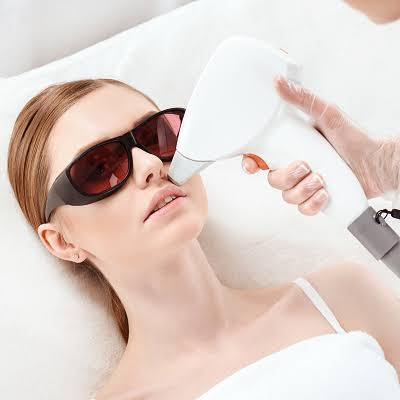
The exact number varies from person to person. Mayo Clinic states that most people need around 4 to 8 treatments for the best results, while the American Academy of Dermatology notes that many patients need 2 to 6 treatments, with individual results varying according to factors such as hair and skin characteristics.
This difference shows why a fixed number should not be promised to every patient. A professional consultation can provide a more realistic estimate based on the individual and the area being treated.
What Determines the Number of Sessions?
Several factors can influence how many treatments a person may need. Hair colour and thickness are particularly important because the laser targets pigment within the hair.
Skin tone can also affect the choice of laser and treatment settings. People with darker skin may require particularly careful selection of technology and parameters because skin contains melanin as well. An experienced professional can select an appropriate approach while considering both effectiveness and skin safety.
Hormonal factors may also influence treatment. If excess hair growth is associated with an underlying hormonal condition, new hair may continue to develop even after existing hair has been reduced. In these situations, ongoing treatments may be recommended.
Does the Treatment Area Affect the Number of Sessions?
Yes. Different parts of the body can respond differently to laser treatment. Common areas include the face, underarms, bikini line, arms, legs, chest, back, and shoulders.
Facial hair can sometimes be influenced by hormonal changes, which may affect long-term maintenance. Body areas may respond differently depending on hair density, thickness, and growth cycles.
The size of the area affects the duration of each appointment, but it does not necessarily determine the total number of sessions required.
How Far Apart Should Sessions Be?
Laser hair removal appointments are usually spaced several weeks apart. The exact interval depends on the treatment area, hair-growth cycle, skin response, and treatment plan.
The American Academy of Dermatology notes that many patients can have treatments approximately every 4 to 6 weeks, although the appropriate interval should be determined by the treating professional.
Scheduling sessions too close together does not necessarily produce faster results. The timing should allow enough suitable hair to enter the active growth phase for the next treatment.
What Can You Expect After the First Session?
Hair does not usually disappear immediately following laser treatment. Treated hairs generally shed over several days or weeks.
The American Academy of Dermatology reports that patients may see approximately 10% to 25% hair reduction after the first treatment, although results vary significantly between individuals.
Some people notice slower or finer regrowth after early sessions, while others may need several treatments before the change becomes clearly noticeable. Taking photographs between appointments can sometimes make gradual changes easier to observe.
Does More Hair Mean More Sessions?
Not necessarily. Hair density is one factor, but the response also depends on hair pigmentation, thickness, growth cycle, skin tone, treatment area, and the technology being used.
Coarse, dark hair often responds more readily because it contains more pigment for the laser to target. Very light, grey, or white hair may respond less effectively because it contains little pigment.
A professional assessment can help determine whether the person's hair characteristics are suitable for laser treatment.
Can Hormones Affect the Results?
Hormonal changes can influence hair growth and may affect the long-term results of laser hair reduction. This is particularly relevant when unwanted facial or body hair is associated with an underlying hormonal condition.
Laser treatment can reduce existing hair, but it does not treat the underlying cause of hormone-related hair growth. As a result, some individuals may experience new hair growth and require additional or maintenance sessions.
Anyone experiencing sudden or unusual hair growth should consider discussing the issue with a qualified healthcare professional.
Are Maintenance Sessions Necessary?
Laser hair removal can provide significant and long-lasting hair reduction, but it does not guarantee that every treated hair will never return. Some people experience regrowth over time and may benefit from occasional maintenance treatments.
The need for maintenance varies between individuals. Hormonal influences, treatment area, hair characteristics, and personal response can all play a role.
Maintenance should be planned according to actual regrowth rather than following an identical schedule for everyone.
Does Skin Tone Change the Treatment Plan?
Yes. Skin tone is an important consideration because laser energy interacts with pigment. The right laser technology and settings should be selected according to the patient's skin and hair characteristics.
People with darker skin can often receive laser hair removal when appropriate technology and experienced treatment are used. Careful settings are important because excessive absorption of laser energy by the surrounding skin can increase the risk of burns or pigmentation changes.
A consultation before treatment allows the provider to assess the skin and determine an appropriate approach.
How Can You Get the Best Possible Results?
Following the clinic's preparation and aftercare instructions can support a consistent treatment course. Patients may be advised to avoid waxing and plucking before treatment because the follicle needs to remain present for the laser to target it.
Sun exposure and tanning can also affect treatment planning. Mayo Clinic recommends protecting treated areas from sun exposure and using broad-spectrum sunscreen as directed by a healthcare professional.
Patients should also attend appointments according to the recommended schedule rather than delaying or advancing sessions without professional advice.
Signs You Should Pay Attention To
Most people experience temporary effects such as mild redness, swelling, or discomfort following treatment. These reactions commonly settle within a short period.
Patients should seek professional advice if they experience:
Severe or increasing pain
Blistering or significant burns
Persistent swelling
Noticeable and lasting skin-colour changes
Signs of infection
A reaction that becomes worse rather than improving
People with darker skin or a history of pigmentation problems should discuss these concerns during their consultation.
Checkpoint: What Should You Ask Before Starting?
A good consultation should explain what the treatment can realistically achieve and why a particular schedule has been recommended.
Useful questions include:
How many sessions might I need?
How far apart should my appointments be?
Which laser technology is appropriate for my skin tone?
How does my hair colour affect treatment?
When should I expect to notice changes?
Will I need maintenance sessions?
What should I do between appointments?
A provider should be able to explain the expected treatment process without guaranteeing an identical result for every patient.
Dynamic Life Clinic: A Considered Choice for Laser Hair Reduction
Dynamic Life Clinic is an option for people in Dubai comparing providers for laser hair reduction. When choosing a clinic, patients can consider professional experience, laser technology, consultation procedures, safety practices, and whether treatment plans are tailored to individual skin and hair characteristics.
A personalized treatment schedule is particularly important because the number of sessions needed can differ considerably from one person to another.
Frequently Asked Questions
How many sessions are normally needed for laser hair removal?
Many people require a course of several sessions. Medical sources commonly report ranges such as 4 to 8 treatments, although individual needs can vary considerably.
How often should laser hair removal sessions be scheduled?
Sessions are generally separated by several weeks. Many patients are treated approximately every 4 to 6 weeks, but the ideal interval depends on the individual and treatment area.
Will I see results after the first session?
Some hair reduction may be noticeable after the first treatment, but substantial results generally require multiple sessions. Hair usually sheds gradually rather than disappearing immediately.
Does laser hair removal permanently remove all hair?
Laser treatment can provide significant and long-lasting hair reduction, but it does not guarantee that all hair will permanently disappear. Some people experience regrowth and may need maintenance treatments.
Can I stop treatment after a few sessions?
You can discuss stopping or changing your treatment plan with your provider, but stopping early may limit the overall reduction because different hair follicles are active at different times.
Conclusion
The number of laser hair removal sessions needed varies from person to person. Several treatments are normally required because laser energy works most effectively on hair in a suitable growth phase. Hair colour, thickness, skin tone, treatment area, hormonal factors, and individual response all influence the treatment plan. A professional consultation can provide a more realistic estimate of the number and timing of sessions while helping ensure that the selected technology and settings are appropriate for the individual's skin and hair.


Comments