Can Skin Boosters Safely Improve Skin Texture?

Skin texture can change over time due to dehydration, sun exposure, ageing, and environmental stress. These changes may leave the skin feeling rough, looking dull, or showing fine lines more clearly. For people exploring Skin Booster Injection Dubai, understanding how these injectable treatments work can help them decide whether they are suitable for improving skin smoothness and hydration.
How Skin Texture Changes Over Time
Healthy skin usually feels relatively smooth and flexible, but several factors can affect its surface. A weakened skin barrier may contribute to dryness and rough patches, while sun exposure can lead to uneven texture and visible signs of ageing. Acne marks, enlarged pores, and changes in collagen can also affect the appearance of the skin. Identifying the main cause is important because different concerns may require different treatments.
How Skin Boosters May Improve Texture
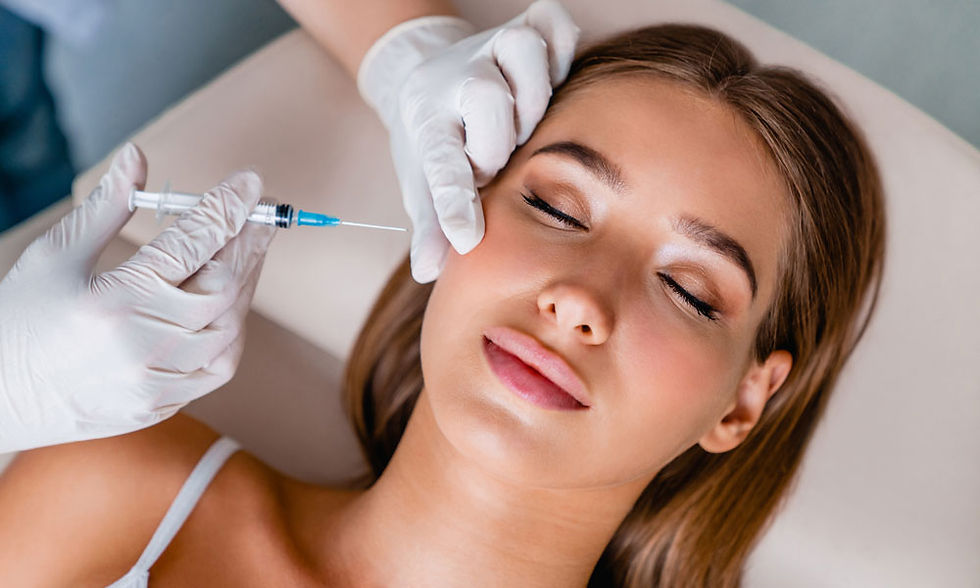
Skin boosters are injectable treatments designed primarily to improve skin hydration and quality. Many formulations contain hyaluronic acid, a substance that attracts and retains water. By increasing hydration in the treated area, suitable products may help the skin look more supple and make some fine lines associated with dryness less noticeable. The degree of improvement depends on the formulation, the individual's skin condition, and the treatment technique.
Skin Hydration and Surface Smoothness
Dehydrated skin can look dull and feel rough, especially around areas that move frequently or receive regular sun exposure. Improving hydration may help the skin appear softer and more flexible. Skin boosters can support this effect in suitable patients, although they do not replace a daily moisturizer or repair every cause of uneven texture. Maintaining the skin barrier remains an important part of achieving and preserving a healthy-looking complexion.
Concerns Skin Boosters May Address
Skin boosters may be considered when the main goal is to improve hydration and selected aspects of skin texture. Their suitability depends on the product and the specific concern being treated.
Common concerns discussed during a consultation include:
Dry or dehydrated-looking skin
Mild roughness
Fine lines associated with dryness
Loss of skin suppleness
Dull-looking complexion
Early changes in overall skin quality
Skin boosters are not designed to treat every texture concern. Deep acne scars, pronounced wrinkles, significant skin laxity, and certain pigmentation problems may require other approaches.
Understanding the Safety of Skin Booster Injections
Skin boosters are minimally invasive, but they are not risk-free. Common temporary effects include redness, swelling, tenderness, bruising, and small bumps near injection sites. Less common but serious complications can include infection, inflammatory reactions, and damage caused by accidental injection into a blood vessel. The risk depends on the product, injection location, technique, and practitioner's experience.
For this reason, treatment should be performed by a suitably qualified healthcare professional who understands facial anatomy, uses an appropriate product, and can manage complications. A consultation should include a review of medical history, allergies, previous injectable treatments, and any active skin infection or inflammation.
Choosing the Right Product and Treatment Area
Not every skin booster has the same formulation or intended use. Some products are developed for particular areas, while others have different indications and injection requirements. Selecting a product based only on its name or popularity may lead to unrealistic expectations or unnecessary risks. A qualified practitioner should explain why a particular formulation is suitable for the treatment area and what improvement it is intended to provide.
Aftercare for Healthier-Looking Skin
Appropriate aftercare can help reduce irritation and support recovery following injections. The treating professional should provide instructions based on the product and procedure, including advice about cleansing, exercise, and exposure to heat. It is generally sensible to avoid rubbing or applying unnecessary pressure to the treated area during the initial recovery period.
A consistent skincare routine can also help maintain skin quality. Gentle cleansing, regular moisturizing, and broad-spectrum sunscreen with SPF 30 or higher can help protect the skin barrier and limit further sun-related damage. Strong exfoliants should be avoided until the practitioner confirms they can be safely resumed.
When Another Treatment May Be More Appropriate
Skin boosters are not a universal solution for rough or uneven skin. Acne scars may respond better to treatments specifically designed for scarring, while persistent redness, active acne, or unexplained skin changes may need medical evaluation before cosmetic procedures. If the main concern is sagging or substantial volume loss, a skin booster may not deliver the type of change a person expects. A professional assessment helps match the treatment to the underlying problem.
Frequently Asked Questions
Can skin boosters make skin texture smoother?
They may improve hydration and some aspects of skin smoothness, particularly when dryness contributes to roughness. Results vary according to the product and individual skin condition.
Are skin booster injections safe for all skin types?
Not necessarily. Suitability depends on medical history, skin condition, the product, and the treatment area. A professional consultation is needed before treatment.
How long does it take to notice changes in skin texture?
The timeline varies with the formulation and individual response. Improvement is not immediate or guaranteed, and the practitioner should explain the expected timeframe for the specific product.
Can skin boosters treat acne scars?
Skin boosters are not a primary treatment for deep or established acne scars. A practitioner may recommend a treatment specifically suited to the type and severity of scarring.
What should I avoid after skin booster injections?
Follow the treating professional's instructions. Depending on the procedure, you may be advised to avoid rubbing the area, strenuous exercise, or excessive heat for a short period. Seek urgent medical care if severe pain, unusual skin discoloration, or vision changes occur after injections.
Conclusion
Skin boosters may safely improve hydration and selected aspects of skin texture when the right product is used for an appropriate candidate by a qualified professional. They can help dehydrated skin look more supple, but they do not correct every cause of roughness, scarring, or ageing. Understanding the likely benefits, limitations, and potential complications is essential before treatment. A personalized assessment, suitable aftercare, and consistent daily skincare can help support healthier-looking skin over time.

Comments