How Do Dermal Fillers Work to Smooth Facial Wrinkles?

Facial wrinkles can become more noticeable as the skin loses volume, elasticity, and natural support with age. Some lines develop around the mouth and nose, while others appear because of repeated facial expressions or sun exposure. Dermal fillers can help soften selected wrinkles by adding volume beneath the skin and improving facial contours. For people considering حشوات الجلد في دبي, understanding how these injections work can help them choose a suitable treatment. The results depend on the type of wrinkle, the filler used, and the individual's facial structure.
Understanding How Facial Wrinkles Develop
Wrinkles form for several reasons, including natural ageing, repeated muscle movements, sun exposure, and changes in the skin's collagen and elastin. As facial tissues gradually lose volume and support, some folds may become deeper and remain visible even when the face is relaxed. Other wrinkles appear mainly during expressions, so identifying the cause of each line is important before selecting a cosmetic treatment.
How Dermal Fillers Smooth Selected Wrinkles
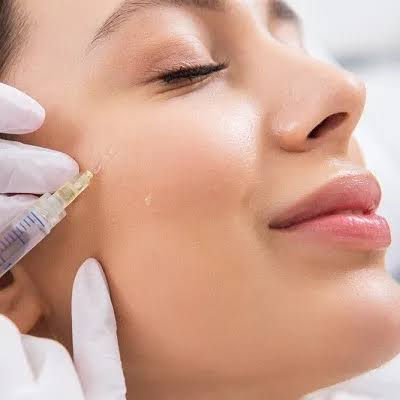
Dermal fillers are injectable products placed beneath the skin to add volume or provide support to specific areas. Many commonly used fillers contain hyaluronic acid, which attracts and retains water. When injected appropriately, fillers may soften certain folds by supporting the surrounding tissue and reducing the appearance of creases. They do not remove wrinkles permanently, and the level of improvement varies between individuals.
Wrinkle Types That May Respond to Fillers
Fillers are generally more suitable for selected static lines associated with volume loss than for wrinkles caused mainly by muscle movement. They may help soften certain folds around the nose and mouth or improve the appearance of lines linked to reduced facial fullness. Very fine surface wrinkles may respond better to skincare or resurfacing treatments, while dynamic forehead lines may require a different approach. A professional assessment helps determine the most appropriate option.
The Role of Hyaluronic Acid in Filler Treatment
Hyaluronic acid is naturally present in the body and helps tissues retain moisture. In injectable fillers, it can add volume and support selected facial areas. Different hyaluronic acid products have different thicknesses and flexibility, making some more suitable for deeper folds and others better suited to delicate areas. The product should be selected according to the treatment area, facial anatomy, and desired result rather than using the same filler for every concern.
How Fillers Improve Facial Contours
Wrinkles can appear more prominent when nearby areas lose volume. For example, reduced cheek fullness may affect the appearance of folds around the nose and mouth. Restoring volume in carefully selected areas may improve facial balance and make some lines less noticeable. However, adding filler directly to every wrinkle is not always appropriate, and excessive treatment can make the face look unnatural.
Factors That Influence Treatment Results
The results of dermal filler injections depend on several factors, including wrinkle depth, skin quality, facial anatomy, product selection, and injection technique. Deeper folds may become softer without disappearing completely, while lines caused by muscle activity may remain visible. Fillers also provide temporary results, and their duration varies according to the product used and individual response. Realistic expectations help patients assess the likely benefits before treatment.
Safety and Recovery After Filler Injections
Common side effects include temporary swelling, redness, bruising, tenderness, and discomfort around the injection sites. Less common complications include infection, persistent lumps, and allergic reactions. A rare but serious complication occurs when filler blocks a blood vessel, potentially causing tissue damage or vision loss. Treatment should be performed by a qualified medical professional with detailed knowledge of facial anatomy and appropriate complication-management skills. Severe or unusual pain, pale or mottled skin, rapidly worsening discoloration, or visual symptoms after treatment require urgent medical attention.
Supporting Smoother Skin With Daily Care
Dermal fillers address selected volume-related concerns, but daily skincare remains important for overall skin health. Broad-spectrum sunscreen with SPF 30 or higher helps protect against sun-related skin ageing, while a suitable moisturizer can reduce dryness that makes fine lines more noticeable. Gentle cleansing and carefully chosen skincare ingredients may also support skin texture. These habits complement filler treatment but cannot replace volume restoration when that is the main concern.
Frequently Asked Questions
Can dermal fillers smooth deep facial wrinkles?
Fillers may soften some deeper folds associated with volume loss, but they may not remove them completely. The result depends on the wrinkle's depth, location, and cause.
Are fillers effective for forehead lines?
Forehead lines often develop through repeated muscle movements. Botulinum toxin is commonly used for these dynamic wrinkles, while fillers are considered only in selected circumstances following careful medical assessment.
How soon can filler results become visible?
Some improvement may be visible soon after treatment, although swelling and bruising can temporarily affect the appearance. The practitioner can advise when to assess the result after the initial recovery period.
Do dermal fillers permanently remove wrinkles?
No. Fillers provide temporary improvement and do not stop the natural ageing process. Their effects gradually diminish, although the duration varies by product and treatment area.
Can fillers be combined with other wrinkle treatments?
In selected cases, fillers may be combined with other treatments to address different causes of facial ageing. The appropriate combination depends on the person's skin, medical history, and goals, so professional guidance is important.
Conclusion
Dermal fillers work to smooth selected facial wrinkles by adding volume beneath the skin and supporting areas affected by tissue loss. They may soften certain folds, improve facial contours, and create a smoother-looking appearance without surgery. However, fillers are not suitable for every type of wrinkle and cannot permanently prevent new lines from forming. A professional consultation helps identify the cause of the wrinkles, select an appropriate product, and establish realistic expectations for treatment.



Comments