Can White Hair Removal Treatment Prevent Hair Regrowth?

White hair removal treatment can help prevent unwanted white hairs from growing back when the method successfully destroys the targeted hair follicle. Unlike dark hair, white hair contains little or no melanin, which makes it difficult for conventional laser hair removal to target effectively. For people considering White Hair Removal Treatment, understanding how different techniques affect the hair follicle can help establish realistic expectations. Electrolysis is commonly considered for white hair because it uses electrical energy rather than hair pigment to treat individual follicles.
The Connection Between Hair Removal and Regrowth
Hair regrowth depends largely on whether the treatment permanently damages the follicle responsible for producing the hair. Temporary methods such as shaving, waxing, and threading remove hair from the surface or pull it from the root, but they do not reliably destroy the follicle. As a result, the hair can grow again after treatment. Permanent hair removal methods aim to disable the treated follicle so that it can no longer produce hair. The effectiveness of the procedure depends on the technique used, the practitioner's skill, and the condition of the targeted follicle.
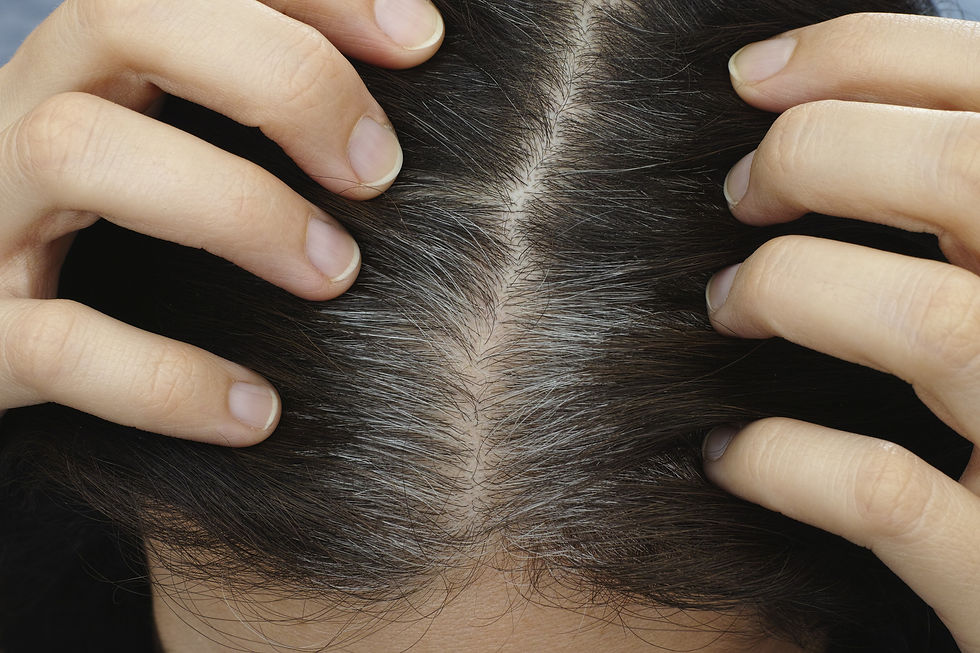
Why White Hair Requires a Different Removal Approach
White hair has little or no melanin, the pigment that many laser hair removal devices rely on to identify and heat the hair. This makes conventional laser treatment less effective for white, grey, and very light-coloured hair. Electrolysis offers an alternative because it treats individual follicles using a fine probe and an electrical current. The process does not depend on the presence of pigment in the hair, making it suitable for treating white hair across different skin tones when performed by a qualified professional.
How Electrolysis Helps Prevent Hair Regrowth
Electrolysis works by directing a small electrical current into an individual hair follicle to damage the cells responsible for hair growth. When the follicle is successfully destroyed, it should no longer produce another hair. However, not every visible hair can necessarily be eliminated in a single session because follicles pass through different growth phases. Repeated appointments allow the practitioner to treat hairs as they become accessible. Completing the recommended treatment course can help achieve lasting removal of successfully treated follicles.
The Difference Between Permanent Removal and Temporary Reduction
Permanent hair removal means that a successfully treated follicle can no longer produce hair, whereas temporary reduction means that hair growth becomes less noticeable or less dense for a period. Methods such as shaving and waxing provide temporary results because they leave the follicle capable of producing new hair. Electrolysis can provide permanent removal of individual hairs when treatment fully destroys their follicles. Nevertheless, new hairs may appear in the same area if other follicles were not treated or if previously inactive follicles become active later.
Why Multiple Treatment Sessions Are Necessary
Several sessions are generally required because hair does not grow uniformly across the skin. Some follicles actively produce visible hairs, while others are resting or developing beneath the surface. A single appointment cannot reliably target every follicle at the most suitable stage. Repeated electrolysis sessions help address additional hairs as they emerge and allow the practitioner to work gradually through the treatment area. The total number of appointments varies according to hair density, the size of the area, hormonal influences, and the response to treatment.
Factors That Can Influence Hair Regrowth
Several factors can affect how successfully a treatment prevents future hair growth. Hair density and thickness influence the amount of work required, while the growth cycle determines when individual follicles can be treated. Practitioner experience is also important because accurate probe placement and appropriate treatment settings are needed to target the follicle effectively. Hormonal changes may stimulate new hair growth in an area even after existing hairs have been removed. Understanding these factors helps explain why results differ between individuals and why some people need longer treatment courses than others.
The Role of Hormones in New Hair Growth
Hormones can influence the development and growth of unwanted facial and body hair. Conditions associated with increased androgen activity, including polycystic ovary syndrome, may contribute to persistent or newly appearing hair growth in some individuals. Electrolysis can treat individual white hairs, but it does not correct the underlying hormonal cause. If hair growth becomes suddenly heavier, develops rapidly, or appears alongside other unexplained symptoms, medical assessment may be appropriate. Managing an underlying condition can help address ongoing hair development while cosmetic treatment targets existing hairs.
Areas That Can Benefit From White Hair Removal
Electrolysis can be used on many areas where unwanted white hair appears, including the upper lip, chin, jawline, cheeks, eyebrows, neck, and selected body areas. It is particularly useful for smaller regions where individual hairs can be targeted precisely. The suitability of treatment depends on the location, skin condition, hair density, and the practitioner's assessment. Larger areas with dense hair may require considerably more time because electrolysis treats follicles one by one. A consultation can help determine a practical treatment plan for the specific area.
What to Expect During a Treatment Session
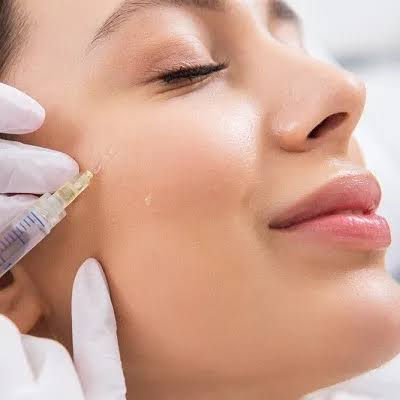
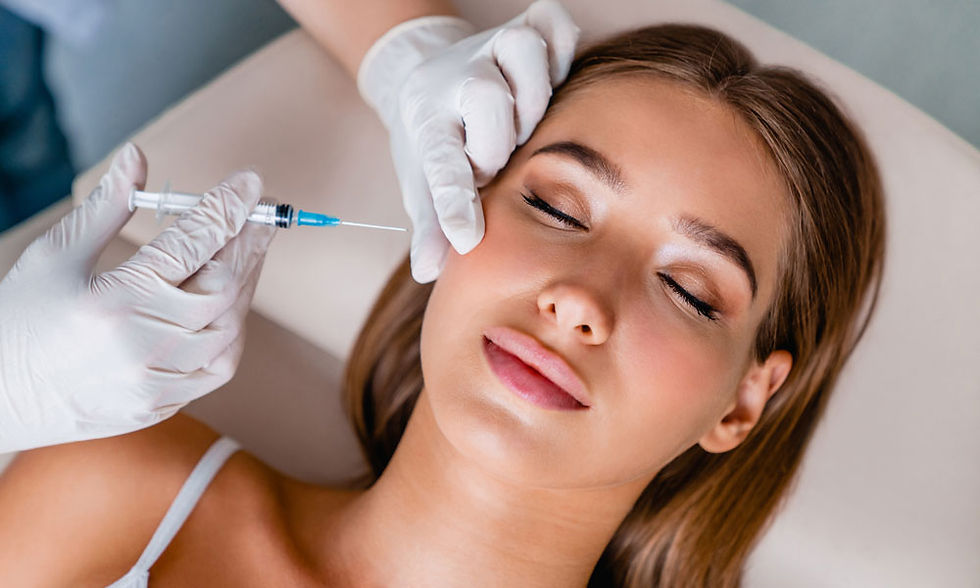
A white hair removal appointment usually begins with an assessment of the treatment area and the pattern of hair growth. During electrolysis, a trained practitioner inserts a very fine probe into the opening of each targeted follicle and applies a controlled electrical current. The treated hair is then released from the follicle. Some people experience brief stinging, warmth, or discomfort during the procedure. Session length depends on the number of hairs being treated and the size of the area. The practitioner should also explain hygiene procedures, expected skin reactions, and suitable aftercare.
Skin Care After White Hair Removal
Appropriate aftercare helps the skin recover after electrolysis and reduces unnecessary irritation. Temporary redness, tenderness, or small areas of swelling may occur around treated follicles. Keeping the area clean, avoiding excessive rubbing, and following the practitioner's instructions can support recovery. It is generally sensible to avoid activities or products that noticeably irritate freshly treated skin until it has settled. Sun protection is also important for exposed areas, particularly for people prone to pigmentation changes. Persistent pain, increasing swelling, spreading redness, or signs of infection should be assessed by a healthcare professional.
Can White Hair Grow Back After Successful Treatment?
A follicle that has been completely destroyed through electrolysis should not produce another hair. However, hair may still appear in the treated area if some follicles were missed, did not receive adequate treatment, or were not successfully disabled. Previously inactive follicles can also begin producing visible hair later. This does not necessarily mean that every treated follicle has regenerated. Follow-up appointments allow the practitioner to identify remaining hairs and address them individually. Clear progress tracking can help distinguish persistent growth from new hairs emerging elsewhere in the same area.
Why Conventional Laser Treatment May Not Prevent White Hair Regrowth
Conventional laser hair removal relies on pigment within the hair to absorb light energy and transfer heat to the follicle. White hair lacks the pigment needed for this process to work reliably, so laser treatment generally cannot provide dependable removal of white hairs. Although laser technology may reduce suitable pigmented hairs, its effectiveness should not be assumed for white or grey hair. Electrolysis is often considered when the main concern is light-coloured hair because it does not rely on melanin. A qualified practitioner can explain which method is appropriate for the individual's hair colour and skin characteristics.
The Importance of Choosing a Qualified Practitioner
The effectiveness and safety of electrolysis depend partly on the practitioner's technique, training, and hygiene standards. Inaccurate probe placement or inappropriate treatment intensity can increase the risk of skin irritation, pigmentation changes, infection, or scarring. Before beginning treatment, individuals should ask about the practitioner's qualifications, experience with white hair, sterilisation practices, and the expected treatment process. A careful assessment should also consider skin sensitivity, previous reactions to hair removal, and any relevant medical conditions. Choosing a qualified provider helps support a safer treatment experience and more realistic expectations.
Maintaining Results Over Time
Maintaining the results of white hair removal involves completing the recommended treatment course and attending follow-up appointments when needed. Avoiding the temptation to judge the outcome after just one session is important because new hairs may emerge gradually from follicles that were not previously accessible. If the underlying cause involves hormonal changes, additional hairs may develop over time and require further treatment. Consistent progress photographs can help track changes in hair density and regrowth. A personalised maintenance plan should be based on the individual's results rather than an assumption that every treatment area will respond identically.
Realistic Expectations for Long-Term Hair Removal
White hair removal can offer lasting results, but it is important to distinguish permanent treatment of individual follicles from a guarantee that no new hair will ever appear in the area. Electrolysis can permanently remove successfully treated follicles, yet multiple sessions are usually needed to address the full pattern of growth. The final outcome depends on hair density, follicle activity, treatment technique, and possible hormonal influences. A professional consultation can clarify the likely duration of treatment, possible side effects, and the extent of improvement that may be achievable for the individual's concerns.
Conclusion
White hair removal treatment can prevent regrowth from individual follicles when the treatment successfully destroys their hair-producing cells. Electrolysis is a suitable option for white hair because it does not depend on melanin, unlike conventional laser hair removal. Multiple sessions are generally necessary to treat follicles at different stages of the hair growth cycle, and newly visible hairs may still appear if other follicles remain active or become active later. A qualified practitioner can assess the treatment area, explain realistic outcomes, and develop an appropriate plan for achieving longer-lasting white hair removal results.

Comments