Does Anti Snoring Laser Treatment Promote Easier Night Breathing?

Difficulty breathing comfortably at night can be associated with snoring, upper-airway tissue vibration, nasal blockage, or other sleep-related conditions. For selected individuals, laser-based snoring treatment may help address tissues that contribute to airway vibration and may support a more comfortable nighttime breathing experience. Anti Snoring Laser Treatment is generally considered a non-surgical approach for people whose snoring is linked to suitable upper-airway tissue factors. However, treatment suitability depends on the individual's symptoms and the underlying cause of their nighttime breathing concerns.
How Can Snoring Affect Nighttime Breathing?
Snoring develops when airflow passes through a narrowed or relaxed upper airway and causes surrounding tissues to vibrate. This vibration produces the familiar sound of snoring and may sometimes be associated with less comfortable airflow during sleep.
Not everyone who snores has a significant airway problem, but persistent or particularly loud snoring can sometimes occur alongside other sleep-related breathing concerns.
Can Laser Treatment Support Easier Breathing?
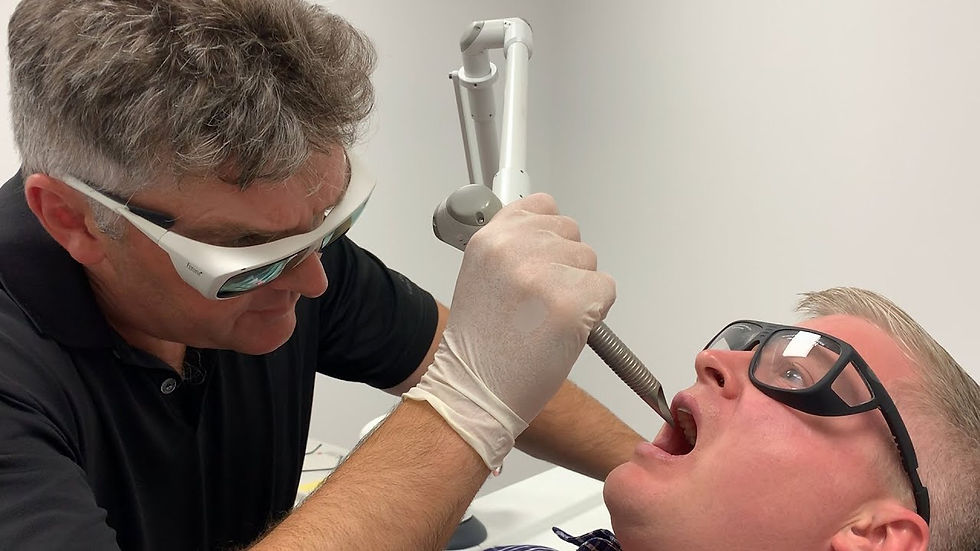
Laser treatment may support more comfortable nighttime breathing in appropriately selected patients when tissues contributing to snoring are the main concern. Non-ablative laser approaches are designed to deliver controlled energy to targeted tissues, potentially influencing their firmness and vibration.
Research has reported improvements in snoring and subjective sleep outcomes following certain Er:YAG laser treatments, although results vary between patients and the available evidence is stronger for some outcomes than others.
How Does the Laser Affect Upper-Airway Tissues?
The treatment uses controlled laser energy rather than conventional surgical tissue removal. Depending on the technology and treatment protocol, the energy can create a controlled thermal effect in selected tissues.
The aim is to influence tissues that may become relaxed or vibrate during sleep. By addressing these tissues, treatment may reduce the vibration associated with snoring and potentially make nighttime airflow feel more comfortable.
Does Reduced Snoring Mean Better Airflow?
Reducing snoring and improving airflow are related but not identical outcomes. A reduction in the sound of snoring does not automatically mean that every form of nighttime airway obstruction has been resolved.
This distinction is important because snoring can occur for different reasons. A personalized assessment can help determine whether the tissues targeted by laser treatment are likely to be contributing to the individual's symptoms.
Can It Help People With Mild Airway Concerns?
People with primary snoring or mild upper-airway tissue concerns may be considered for laser treatment when their anatomy and symptoms are appropriate. Some studies have reported improvements in subjective breathing comfort and sleep quality after treatment.
However, the degree of improvement can differ depending on airway structure, tissue characteristics, lifestyle factors, and the original cause of snoring.
Is the Treatment Non-Surgical?
Many laser approaches used for snoring are designed to be non-surgical. Instead of cutting or removing tissue, controlled laser energy is applied to selected areas.
This can make the procedure appealing to people who prefer a less invasive approach. The exact technique, treatment areas, and expected recovery should be discussed during an individual consultation.
Can Better Nighttime Breathing Improve Sleep Comfort?
When snoring is disruptive, reducing its intensity may contribute to a quieter and more comfortable sleeping environment. Some patients may also report that their sleep feels more restful after treatment.
A more comfortable nighttime experience can benefit both the person who snores and their sleeping partner. Nevertheless, sleep quality can be affected by many factors, so treatment outcomes should be considered individually.
How Does Individual Anatomy Affect Results?
The upper airway differs from one person to another. The soft palate, throat tissues, tongue position, nasal passages, and other anatomical factors can influence how airflow behaves during sleep.
For this reason, laser therapy is not expected to produce identical results in every patient. Assessment of the likely source of snoring can help determine whether the treatment is appropriate.
Can Laser Treatment Help With Nasal Breathing Problems?
Laser treatment for snoring primarily targets the tissues included in the chosen treatment protocol. It should not automatically be considered a solution for every type of nasal obstruction.
If a person has persistent nasal congestion, structural nasal blockage, allergies, or another condition affecting nasal breathing, the underlying problem may require separate evaluation and management.
What If Breathing Pauses Occur During Sleep?
Breathing pauses should not simply be attributed to ordinary snoring. Repeated pauses, choking, gasping, or sudden awakenings may indicate a sleep-related breathing disorder such as obstructive sleep apnea.
In such situations, appropriate medical evaluation is important before choosing a treatment specifically intended to reduce snoring. Laser therapy should not be assumed to replace established assessment or treatment for sleep apnea.
Is Laser Therapy a Treatment for Sleep Apnea?
Laser therapy for snoring should not be presented as a universal treatment for obstructive sleep apnea. Research has investigated Er:YAG laser approaches in selected patients, including some people with mild to moderate sleep-related breathing problems, but evidence and suitability remain dependent on patient selection.
Anyone with suspected sleep apnea should discuss appropriate diagnostic evaluation with a qualified healthcare professional before deciding on a snoring treatment.
How Many Sessions May Be Needed?
Treatment schedules vary according to the laser system, treatment protocol, anatomy, and individual response. Some clinical studies have used several sessions rather than relying on a single treatment.
A consultation can provide more specific information about the recommended number of sessions and the expected changes throughout the treatment process.
Can the Effects Continue Over Time?
Some research has found that improvements in subjective sleep outcomes can persist after laser treatment, while other studies indicate that results may vary or decline over time for some patients.
Long-term outcomes are still an important area of research. Patients should therefore maintain realistic expectations and understand that follow-up may be useful when assessing whether additional treatment is appropriate.
Who May Benefit From Treatment?
Laser therapy may be considered for adults with persistent primary snoring when an assessment suggests that suitable upper-airway tissues are contributing to the problem.
Potential candidates should generally have realistic expectations and understand that the treatment is designed for specific causes of snoring rather than every possible nighttime breathing concern.
Why Is a Professional Assessment Important?
A professional assessment can help distinguish ordinary snoring from symptoms that may require further investigation. It can also help identify whether the soft palate or other upper-airway tissues are likely to be involved.
This information allows treatment planning to be based on the individual's symptoms and anatomy rather than applying the same approach to every person who snores.
Dynamic Life Clinic for Snoring Treatment
Dynamic Life Clinic provides personalized treatment planning for individuals seeking solutions for persistent snoring. During a consultation, symptoms, possible contributing factors, and treatment expectations can be discussed before determining whether laser therapy is appropriate.
A personalized approach is particularly important when the goal is not only to reduce snoring but also to understand whether nighttime breathing concerns may have another underlying cause.
Checkpoint Before Treatment
Before considering laser treatment, patients can discuss these important points during consultation:
What is causing the snoring?
Are the upper-airway tissues suitable for laser treatment?
Is there any indication of sleep apnea?
Could nasal obstruction be contributing to nighttime breathing?
What laser technology will be used?
How many sessions may be recommended?
What level of improvement is realistically expected?
Will follow-up assessment be necessary?
These questions can help establish whether the treatment matches the individual's needs.
Conclusion
Anti-snoring laser treatment may promote a more comfortable nighttime breathing experience for appropriately selected individuals when upper-airway tissue vibration is contributing to persistent snoring. By applying controlled laser energy to targeted tissues, treatment may reduce vibration and improve subjective sleep comfort in some patients. However, easier nighttime breathing depends on the underlying cause of the problem. Snoring accompanied by breathing pauses, gasping, choking, or significant daytime sleepiness may require further evaluation for a sleep-related breathing disorder. A personalized assessment is therefore an important step before choosing laser treatment.
Comments