Does Salicylic Acid Peeling Help Control Excess Oil Fast?

Excess oil can make the skin appear shiny and may contribute to clogged pores, blackheads, and frequent breakouts. For people dealing with persistent oiliness, Salicylic Acid Peeling in Dubai may help improve the appearance of oily skin by exfoliating dead skin cells and loosening oil and debris from congested pores. The treatment uses salicylic acid, an oil-soluble beta hydroxy acid (BHA), which makes it particularly relevant for skin affected by excess sebum.
How Does Salicylic Acid Peeling Work on Oily Skin?
Salicylic acid is different from many surface-level exfoliants because it is oil-soluble. This allows it to interact with oil and buildup inside the pores while also helping remove dead skin cells from the surface. During a professional peel, the solution is applied in a controlled way based on the person's skin condition and treatment goals. The concentration and contact time can vary. By reducing some of the buildup associated with oily skin, the treatment may leave the skin feeling cleaner and looking less congested.
Can Salicylic Acid Peeling Reduce Excess Oil?
Salicylic acid peeling may help manage the appearance of excess oil, particularly when oil is contributing to clogged pores and an uneven-looking complexion.
It does not permanently stop the sebaceous glands from producing sebum. Oil production is influenced by hormones, genetics, age, climate, and other individual factors.
The goal is to help manage excess oil rather than remove the skin's natural protective oils completely.
Why Does Excess Oil Cause Skin Problems?
Sebum is a natural substance that helps protect and moisturize the skin. Problems can occur when the skin produces more oil than needed or when oil combines with dead skin cells inside the pores.
This buildup can contribute to:
Shiny-looking skin
Blackheads
Whiteheads
Clogged pores
Mild breakouts
Uneven texture
Managing these concerns often requires a combination of appropriate skincare and, when suitable, professional treatments.
Does It Help Unclog Oily Pores?
One of the main reasons salicylic acid is used for oily and congested skin is its ability to work with oil-based buildup.
When dead skin cells and sebum accumulate inside pores, they can make the pores look more noticeable. Salicylic acid can help loosen this material as part of the exfoliation process.
This may make the skin appear clearer and more refined after recovery.
Can It Help Reduce Shine?
Excess sebum can create noticeable shine, particularly around the forehead, nose, and chin. Salicylic acid peeling may help improve the appearance of oily shine by reducing surface buildup and congestion.
However, the treatment should not be expected to eliminate natural sebum production.
Healthy skin needs some oil to maintain its protective barrier, so completely removing oil is neither necessary nor desirable.
Does Salicylic Acid Peeling Help With Blackheads?
Blackheads are common in oily skin because excess sebum and dead skin cells can accumulate inside open pores.
Salicylic acid may help loosen this pore material and support clearer-looking skin. With an appropriate treatment plan, blackheads may become less noticeable.
Avoid manually squeezing blackheads after treatment because the skin may be more sensitive during the recovery period.
Can It Help With Whiteheads?
Whiteheads develop when a pore becomes blocked while remaining closed at the surface. Oil and dead skin cells can become trapped inside the pore.
Because salicylic acid helps exfoliate and loosen pore buildup, it may support the management of whiteheads in some people.
The response varies depending on the severity of congestion and the person's overall skincare routine.
Can It Reduce Oily-Skin Breakouts?
Oily skin does not automatically mean a person will develop acne, but excess sebum can contribute to pore congestion.
By helping remove dead skin cells and oil-related buildup, salicylic acid peeling may support clearer-looking skin and reduce some factors associated with breakouts.
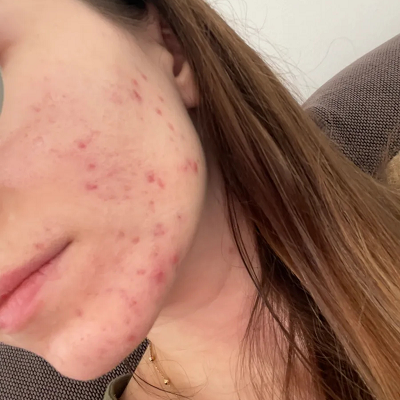
It is not a guaranteed acne treatment, and persistent or severe acne may require a more comprehensive medical approach.
How Quickly Can Oiliness Improve?
The timing of visible changes varies from person to person. Some people may notice that the skin feels cleaner or less congested after the initial recovery period.
However, immediate oil reduction should not be confused with a permanent change in sebum production.
Longer-term improvement usually depends on the individual's skin characteristics, treatment plan, skincare routine, and the underlying cause of excessive oil.
Is the Effect Permanent?
Salicylic acid peeling does not permanently change how much oil the sebaceous glands produce.
The skin continues to produce sebum after treatment. As new dead skin cells and oil accumulate, pores can become congested again.
For this reason, professional peeling may be used as part of an ongoing skincare plan rather than as a one-time solution for oily skin.
How Often Should Oily Skin Receive a Peel?
Treatment frequency should be based on skin type, sensitivity, peel strength, and the specific concern being treated.
More frequent peeling is not necessarily better. Excessive exfoliation can cause dryness, irritation, redness, and increased sensitivity.
A qualified professional can determine an appropriate schedule and adjust it according to how the skin responds.
What Happens During a Salicylic Acid Peeling Session?
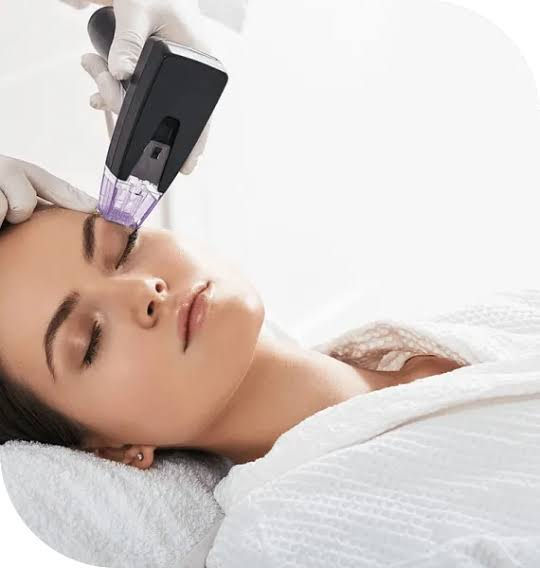
The skin is first assessed and prepared for treatment. The salicylic acid solution is then applied carefully according to the selected treatment plan.
Some people may experience mild tingling or warmth while the peel is being applied.
After the appropriate application period, the treatment is completed according to the professional's protocol. The skin may feel slightly tight or sensitive afterward.
What Should You Expect After Treatment?
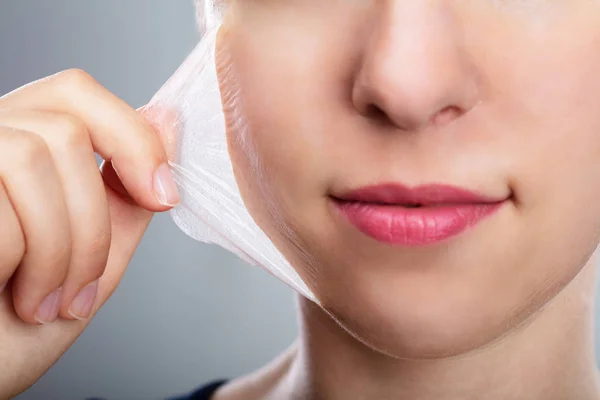
Temporary dryness, redness, tightness, or flaking can occur following a chemical peel.
The skin may initially feel different before gradually returning to its normal appearance. It is important not to pick or pull at areas that are peeling.
Gentle cleansing, moisturizing, and appropriate sun protection can help support the skin during recovery.
Can Oily Skin Become Too Dry After a Peel?
Yes. Even oily skin can become dry or irritated if exfoliation is too strong or performed too frequently.
Removing too much surface oil can affect the skin barrier and cause discomfort. This is why treatment strength and frequency should be selected according to the person's skin condition.
A balanced approach focuses on managing excess oil while preserving healthy skin function.
Should You Stop Other Exfoliating Products?
Depending on the treatment plan, other exfoliating products may need to be paused before or after a professional peel.
Products containing strong acids, retinoids, scrubs, or other potentially irritating ingredients can increase sensitivity when combined with professional exfoliation.
A skincare professional should be informed about all products being used so the treatment schedule can be adjusted appropriately.
Is Salicylic Acid Peeling Suitable for Combination Skin?
Salicylic acid peeling may also be considered for combination skin, particularly when certain areas are noticeably oily or congested.
For example, the T-zone may produce more oil while the cheeks remain normal or dry.
Treatment should be adjusted to the person's overall skin condition rather than assuming the entire face has the same level of oil production.
Who May Benefit From Salicylic Acid Peeling for Oily Skin?
People who experience oily or congested skin may be potential candidates, especially when they also have concerns such as:
Excess shine
Blackheads
Whiteheads
Clogged pores
Mild acne
Rough skin texture
A professional assessment is still important because oily skin can coexist with sensitivity, dehydration, irritation, or other skin conditions.
When Should You Avoid a Salicylic Acid Peel?
A peel may need to be postponed when the skin is significantly irritated, damaged, sunburned, or experiencing certain active conditions.
People using strong prescription or professional skincare products should discuss them before treatment.
The treatment should also be reconsidered if a person has previously experienced significant reactions to chemical exfoliants.
How Can You Maintain Results?
Maintaining balanced skin after treatment involves more than repeating peels. A suitable daily skincare routine can help manage oil and prevent excessive buildup.
Helpful habits may include:
Using a gentle cleanser
Choosing non-comedogenic skincare when appropriate
Moisturizing even if the skin is oily
Avoiding aggressive scrubbing
Using daily broad-spectrum sun protection
Following professional aftercare instructions
These habits can help support the skin barrier and reduce unnecessary irritation.
Can Salicylic Acid Peeling Be Combined With Other Treatments?
In some cases, professional peeling may be included in a broader skincare plan. However, combining exfoliating treatments without appropriate spacing can increase irritation.
The suitability of combining treatments depends on the person's skin type, current condition, and the products or procedures involved.
A professional should determine whether additional treatments are appropriate and how they should be scheduled.
Conclusion
Salicylic acid peeling may help people manage the appearance of oily and congested skin by exfoliating dead skin cells and loosening oil-related buildup inside pores. It can be particularly useful for concerns such as excess shine, blackheads, whiteheads, clogged pores, and mild breakouts.
The treatment does not permanently stop oil production or guarantee immediate results. Its effectiveness depends on factors such as skin type, sebum production, treatment strength, frequency, and aftercare.
For the best approach, treatment should be selected according to the individual's skin condition rather than simply trying to remove as much oil as possible.
Frequently Asked Questions
Does salicylic acid peeling stop oily skin?
No. It may help manage the appearance of excess oil and pore congestion, but it does not permanently stop the sebaceous glands from producing sebum.
How fast does salicylic acid reduce oil?
Some people may notice a less congested or less shiny appearance after the skin recovers, but the timing varies. Salicylic acid does not permanently change natural oil production.
Is salicylic acid peeling good for very oily skin?
It may be suitable for some people with very oily skin, particularly when excess sebum is associated with clogged pores and blackheads. Professional assessment is recommended.
Can salicylic acid peeling remove blackheads?
It may help loosen the oil and dead skin buildup associated with blackheads, making them less noticeable over time.
Can it help with oily acne-prone skin?
It may support clearer-looking skin by reducing pore congestion and exfoliating dead skin cells. Persistent acne may require additional treatment.
Will salicylic acid peeling make oily skin dry?
Temporary dryness, tightness, or flaking can occur. Excessive or overly strong exfoliation can cause more irritation, so treatment should be appropriately tailored.
How often can I get salicylic acid peeling for oily skin?
There is no single schedule for everyone. Frequency depends on the peel strength, skin sensitivity, treatment goal, and how the skin responds.
Can I use other acids after a salicylic acid peel?
Other exfoliating acids may need to be paused temporarily after treatment. Follow the specific aftercare instructions provided by your skincare professional.
Does salicylic acid permanently reduce pore size?
No. It can help reduce congestion and improve the appearance of pores, but it cannot permanently change their natural size.
Can salicylic acid peeling be used for combination skin?
It may be suitable for some combination skin types, especially when the T-zone is oily or congested. Treatment should be adapted to the different needs of each area.

Comments