How Safe Are Radiofrequency Treatments for the Face?

Radiofrequency treatments are widely used in aesthetic skincare to address concerns such as mild skin laxity, fine lines, uneven texture, and signs of aging. People considering Radiofrequency Treatments in Dubai often want to understand how safe these procedures are and whether they are suitable for facial skin. When performed with an appropriate device by a qualified professional, radiofrequency treatments can be a useful non-surgical option. However, safety depends on the treatment type, energy settings, skin condition, medical history, and proper technique.
Are Radiofrequency Treatments Safe for Facial Skin?
Radiofrequency treatments are generally considered suitable for many people when properly planned and performed.
Controlled Energy
Radiofrequency devices deliver controlled energy into targeted layers of tissue. The purpose is to heat specific areas without unnecessarily damaging the surrounding skin.
Non-Surgical Approach
Unlike surgical procedures, many radiofrequency treatments do not require incisions or extensive tissue removal.
Professional Monitoring
A trained professional can adjust the treatment according to the patient's skin condition and treatment area.
Individual Assessment
Safety cannot be determined by the treatment name alone. The specific device and patient's individual circumstances should always be considered.
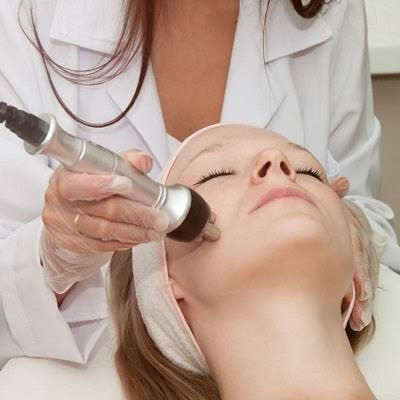
How Does Radiofrequency Work on the Face?
Radiofrequency uses electromagnetic energy to generate controlled heat within the targeted tissue.
Supporting Collagen Remodeling
Controlled heating may stimulate processes associated with collagen remodeling.
Improving Skin Firmness
As the skin remodels, some patients may notice gradual improvements in firmness.
Addressing Fine Lines
Improved skin quality may reduce the appearance of certain superficial lines.
Enhancing Texture
Radiofrequency treatments may also be used to improve uneven-looking skin texture.
Is Radiofrequency Safe for Different Skin Tones?
One potential advantage of radiofrequency is that it does not rely on the same light-based mechanism as many laser treatments.
Skin Tone Considerations
Radiofrequency energy is primarily delivered as heat rather than targeting melanin.
Reduced Dependence on Pigment
Because the mechanism differs from many light-based procedures, treatment can be considered for a broader range of skin tones.
Individual Sensitivity
Skin tone does not eliminate the need for personalized treatment planning.
Proper Settings
Energy levels should be selected according to the individual's skin, treatment area, and desired outcome.
What Are the Common Side Effects?
Most facial radiofrequency treatments are associated with temporary effects when performed appropriately.
Redness
Mild redness may occur immediately after treatment.
Warmth
The treated area may feel warm for a short period.
Mild Swelling
Some patients experience temporary puffiness.
Tenderness
The skin may feel slightly sensitive following treatment.
Temporary Irritation
Minor irritation can occur and generally improves as the skin settles.
Can Radiofrequency Treatments Cause Burns?
Radiofrequency treatments involve controlled heat, so burns are a potential risk if excessive energy is delivered or the device is used incorrectly.
Appropriate Energy Levels
Using settings suitable for the patient's skin and treatment area is important.
Proper Device Handling
The device should be moved and applied according to the manufacturer's instructions.
Professional Experience
A qualified provider should understand how tissue responds to different levels of RF energy.
Monitoring During Treatment
Unexpected or excessive discomfort should be communicated immediately.
Are Radiofrequency Treatments Safe Around the Eyes?
The area around the eyes requires particular care because the skin is thin and delicate.
Lower Energy Requirements
The treatment approach may need to be adapted for sensitive areas.
Appropriate Applicator
Only equipment designed or approved for the intended treatment area should be used.
Protective Measures
Professional protocols should be followed to protect sensitive structures.
Careful Assessment
Not every RF device is appropriate for every area around the eyes.
Are Radiofrequency Treatments Safe for Sensitive Skin?
Sensitive skin does not automatically prevent someone from receiving RF treatment, but additional care may be required.
Assess Skin Condition
The provider should check whether the skin is currently irritated or compromised.
Avoid Active Inflammation
Treatment may need to be postponed when significant inflammation or an active skin condition is present.
Adjust Treatment Intensity
Lower or customized settings may be appropriate depending on the individual.
Monitor Recovery
Patients should follow aftercare instructions and report unusual reactions.
Who May Need to Avoid or Postpone Radiofrequency Treatment?
Radiofrequency treatments are not suitable for everyone.
Certain Implanted Devices
People with pacemakers or other electronic implants should disclose them before treatment.
Active Skin Infections
Treatment should generally be postponed when an infection is present in the treatment area.
Significant Skin Irritation
Severe irritation, open wounds, or active inflammation may require treatment to be delayed.
Pregnancy
Elective aesthetic procedures may be postponed during pregnancy.
Relevant Medical Conditions
Certain medical conditions and medications may affect treatment suitability and should be discussed during consultation.
Can Radiofrequency Damage Facial Fat?
The effect on facial fat depends on the specific RF technology, energy level, treatment depth, and treatment objective.
Superficial Treatments
Some RF treatments are designed primarily to target superficial or dermal tissues.
Deeper Treatments
Certain devices deliver energy deeper into the tissue and may have different effects.
Excessive Heating
Incorrect settings or inappropriate treatment can increase the risk of unwanted tissue effects.
Personalized Planning
The treatment depth should be selected according to the patient's facial anatomy and aesthetic goals.
Is Radiofrequency Safe for Long-Term Skin Health?
When appropriately performed, RF treatments are generally intended to support skin rejuvenation rather than cause ongoing damage.
Controlled Treatment
The goal is controlled heating within a specific treatment zone.
Gradual Results
Collagen remodeling occurs over time rather than producing an immediate structural change.
Appropriate Treatment Frequency
Patients should follow professional recommendations regarding the timing and number of sessions.
Avoiding Excessive Treatment
More energy or more frequent treatments do not automatically mean better results.
How Can You Improve Treatment Safety?
Patients can also take steps to make the treatment process safer.
Choose a Qualified Provider
Look for a licensed professional with appropriate experience using the specific RF device.
Discuss Your Medical History
Mention medications, allergies, medical conditions, implants, and previous aesthetic treatments.
Explain Previous Skin Reactions
Tell the provider if you have experienced burns, pigmentation changes, or unusual sensitivity after previous procedures.
Follow Pre-Treatment Instructions
Use only the skincare products and preparation recommended by your provider.
Follow Aftercare Instructions
Proper post-treatment care can help minimize irritation and support recovery.
What Should You Ask Before Radiofrequency Treatment?
A consultation should provide clear information before treatment begins.
Which Device Will Be Used?
Different RF technologies can have different purposes and treatment characteristics.
What Area Will Be Treated?
The treatment approach should be appropriate for the specific facial area.
What Energy Level Is Appropriate?
Ask how the provider determines the treatment intensity.
What Results Can Be Expected?
Understanding realistic outcomes can help prevent unrealistic expectations.
What Are the Potential Risks?
A professional should explain common side effects and less common complications before treatment.
Checkpoint: What Determines Radiofrequency Treatment Safety?
Several factors influence the safety of facial RF treatments.
Device Selection
The technology should be appropriate for the intended purpose.
Provider Experience
Proper training and technique are important.
Treatment Settings
Energy level and treatment depth should be customized.
Skin Condition
Healthy, stable skin is generally easier to assess and treat safely.
Medical History
Relevant conditions, medications, and implants should be disclosed.
Aftercare
Following professional instructions can support a smoother recovery.
Is Radiofrequency Suitable for Everyone?
No aesthetic treatment is universally appropriate. Radiofrequency may be suitable for many people, but individual assessment remains important.
A person with mild skin laxity may have different treatment needs from someone with significant facial aging, active skin inflammation, or previous cosmetic procedures. The provider should determine whether RF is appropriate and whether another treatment may be more suitable.
Personalized Radiofrequency Treatment Planning
Facial radiofrequency treatment should be tailored to the individual rather than performed using identical settings for every patient. Skin thickness, facial anatomy, sensitivity, treatment area, age-related changes, and aesthetic goals can all influence the treatment plan.
A professional consultation can help determine the appropriate RF technology, energy level, treatment depth, number of sessions, and aftercare requirements. It also provides an opportunity to identify factors that could increase the risk of complications.
How Should You Care for Your Skin After Treatment?
Aftercare depends on the specific RF procedure and device.
Keep the Skin Comfortable
Follow recommendations regarding cleansing and moisturizing.
Avoid Unnecessary Irritation
Harsh exfoliants and irritating skincare products may need to be avoided temporarily.
Protect From the Sun
Appropriate sun protection is important after facial treatments.
Monitor Your Skin
Persistent pain, blistering, severe swelling, or unusual skin changes should be reported to a healthcare professional.
Conclusion
Radiofrequency treatments can be a suitable non-surgical option for many people who want to improve facial firmness, texture, and selected signs of aging. When the appropriate device, energy level, and treatment technique are used, temporary redness, warmth, mild swelling, and sensitivity are among the possible short-term effects.
However, radiofrequency treatments are not completely risk-free. Excessive or incorrectly delivered energy can cause burns or unwanted tissue effects, while unsuitable treatment of sensitive or compromised skin may increase irritation. People with certain medical conditions, implanted electronic devices, active skin infections, or other risk factors may need to avoid or postpone treatment.
Comments