Who Is an Ideal Candidate for Lip Filler Injections?

Lip filler injections are a popular cosmetic treatment for people who want to enhance lip volume, improve symmetry, or create a more defined lip shape. People considering حقن الفيلرللشفتين في دبي often want to understand whether they are suitable candidates before choosing the treatment. The ideal candidate is generally someone who is in good overall health, has realistic expectations, and wants subtle or noticeable improvement in the appearance of the lips without surgery. Individual suitability can vary depending on facial anatomy, previous treatments, medical history, and personal aesthetic goals.
What Makes Someone a Good Candidate for Lip Fillers?
Several factors can help determine whether lip filler injections may be appropriate.
Desire for Lip Enhancement
People who feel their lips appear too thin or lack definition may consider fillers to enhance their natural appearance.
Realistic Expectations
A good candidate understands that lip fillers are designed to enhance the lips rather than completely change their natural appearance.
Good General Health
Overall health and medical history should be considered before undergoing an injectable cosmetic treatment.
Clear Aesthetic Goals
Knowing whether the goal is added volume, improved symmetry, better definition, or subtle rejuvenation can help guide treatment planning.
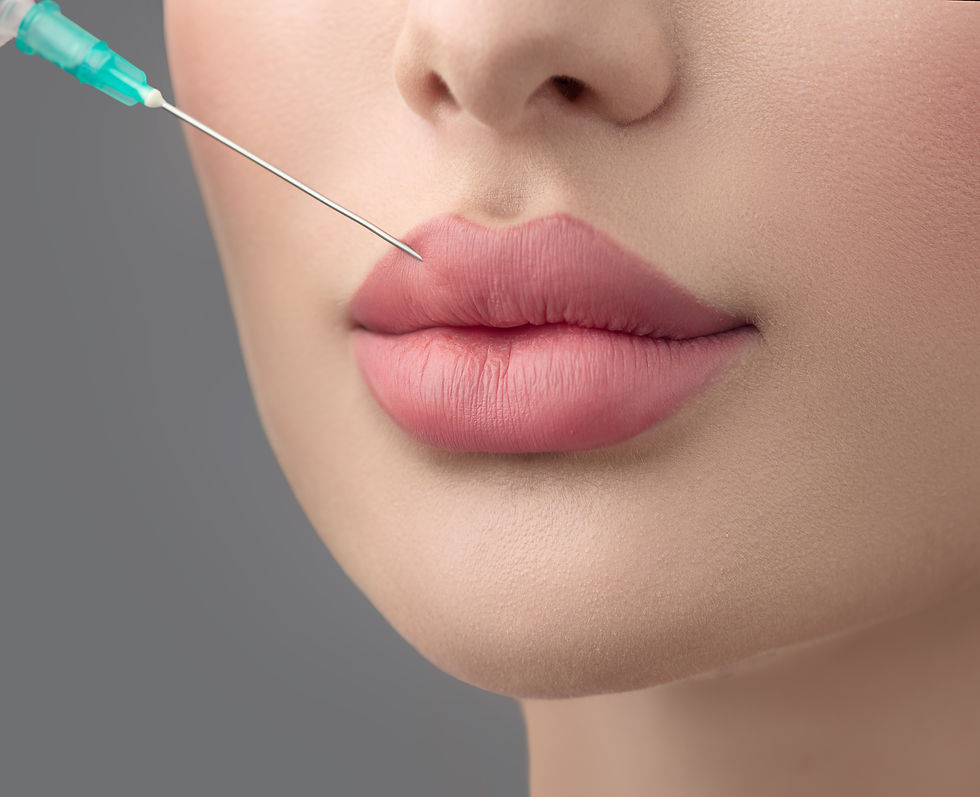
Can People With Naturally Thin Lips Have Lip Fillers?
Yes, naturally thin lips can be one reason people consider lip fillers.
Adding Subtle Volume
Fillers can be used to create a fuller appearance while maintaining natural proportions.
Improving Lip Definition
Treatment may help create a more defined lip border.
Enhancing Lip Shape
Different injection techniques can be used to address specific areas of the lips.
Maintaining Facial Balance
The amount of filler should be selected according to the individual's facial features rather than using the same volume for everyone.
Are Lip Fillers Suitable for Uneven Lips?
Lip asymmetry is another common reason people explore lip filler treatment.
Correcting Minor Imbalances
Carefully placed filler may help improve the appearance of uneven areas.
Balancing the Upper and Lower Lips
Treatment can be planned to create a more harmonious relationship between the lips.
Improving Overall Shape
The goal can be better symmetry rather than simply increasing volume.
Customized Treatment
The amount and placement of filler depend on the individual's natural lip structure.
Can Older Adults Be Candidates for Lip Fillers?
Age alone does not necessarily determine whether someone can have lip fillers.
Age-Related Volume Loss
Some adults experience gradual loss of lip volume as they age.
Fine Lines Around the Lips
Changes around the mouth may make lip enhancement appealing.
Restoring Definition
Filler may be used to improve the appearance of the lip border and shape.
Natural-Looking Results
Older patients may prefer conservative enhancement that complements their existing facial features.
Can Younger Adults Have Lip Fillers?
Younger adults may also consider lip fillers for cosmetic enhancement.
Naturally Thin Lips
Some people seek additional volume because of their natural lip shape.
Lip Definition
Fillers may be used to create more noticeable contours.
Facial Proportions
Treatment can be planned according to the individual's overall facial structure.
Appropriate Expectations
Younger patients should understand that cosmetic enhancement does not need to involve excessive volume to create a visible difference.
Are Lip Fillers Suitable for People Wanting Natural Results?
Yes. Lip filler treatment can be planned around subtle enhancement.
Conservative Volume
Smaller amounts of filler may provide a modest change.
Maintaining Natural Movement
Treatment goals can focus on enhancing appearance while preserving natural-looking expressions.
Proportional Enhancement
The lips should remain harmonious with the rest of the face.
Gradual Approach
Some individuals may prefer to begin conservatively and assess the result before considering additional treatment.
Who May Want Lip Fillers for Lip Definition?
Not everyone seeks more volume.
Sharper Lip Borders
Some people want greater definition around the edges of the lips.
Cupid's Bow
The shape of the Cupid's bow can be enhanced according to individual preferences.
Lip Contour
Filler can be strategically placed to improve the overall contour.
Balanced Appearance
Definition can sometimes create a noticeable enhancement without significantly increasing lip size.
Can Lip Fillers Improve Lip Symmetry?
Lip fillers may be considered when minor asymmetry affects the appearance of the lips.
Uneven Upper Lip
One side of the upper lip may naturally appear different from the other.
Uneven Lower Lip
Differences in volume can sometimes affect overall symmetry.
Unequal Lip Borders
The visible outline of the lips may vary between sides.
Customized Correction
A professional can determine whether filler is appropriate for the specific asymmetry.
Who May Not Be an Ideal Candidate?
Certain circumstances may require postponing or avoiding treatment.
Active Infection
An infection or significant inflammation around the lips should be addressed before an injectable procedure.
Certain Allergies
A history of serious reactions to injectable ingredients or related materials should be discussed.
Uncontrolled Medical Conditions
Relevant medical conditions should be reviewed during consultation.
Unrealistic Expectations
People expecting a completely different lip shape or dramatic transformation may need to reconsider their goals.
Pregnancy or Breastfeeding
Elective cosmetic injectable treatments are commonly postponed during pregnancy and breastfeeding.
Is a Consultation Necessary Before Lip Filler Treatment?
A consultation is an important part of treatment planning.
Reviewing Medical History
The provider can discuss medications, allergies, previous treatments, and relevant health conditions.
Examining Lip Anatomy
The natural shape, volume, symmetry, and proportions of the lips can be assessed.
Discussing Desired Results
Patients can explain whether they want volume, definition, symmetry, or a combination of improvements.
Choosing an Appropriate Treatment Plan
The provider can determine whether lip fillers are suitable and discuss the amount and placement of filler.
What Should You Discuss Before Getting Lip Fillers?
Being open during consultation can help support safer and more personalized treatment.
Previous Cosmetic Treatments
Tell the provider about previous fillers, Botox, threads, or other procedures around the mouth.
Current Medications
Medications and supplements should be disclosed, particularly those that may affect bleeding or bruising.
History of Cold Sores
A history of recurrent cold sores should be discussed before lip injections.
Desired Lip Shape
Explain the type of result you want rather than focusing only on the amount of filler.
What Are Realistic Expectations From Lip Fillers?
Understanding the likely outcome is important for a positive treatment experience.
Enhanced Volume
The lips may appear fuller after treatment.
Improved Definition
The lip border and shape may become more noticeable.
Better Symmetry
Minor differences may be reduced.
Temporary Results
Most commonly used lip fillers are temporary and may require future maintenance.
Individual Results
The final appearance varies according to the filler used, treatment technique, anatomy, and individual response.
How Does Facial Balance Affect Lip Filler Candidacy?
Lip enhancement should be considered in relation to the entire face.
Nose and Lip Proportions
The relationship between the nose and lips can influence the appearance of the final result.
Chin and Lower Face
The shape of the chin and lower face can affect how lip volume appears.
Smile
The lips should complement natural facial movement and expressions.
Overall Harmony
The objective is often to enhance the lips while maintaining balanced facial proportions.
Checkpoint: Could You Be a Good Candidate?
You may be suitable for lip filler treatment if you:
Want to improve lip volume or definition
Have naturally thin or uneven lips
Want to address minor asymmetry
Have realistic expectations
Are in suitable overall health
Understand that results are temporary
Are willing to follow professional aftercare instructions
Want a treatment plan tailored to your facial features
However, only a qualified professional can determine whether lip fillers are appropriate for your individual circumstances.
Why Personalized Lip Filler Treatment Matters
Every person's lips have a different shape, volume, symmetry, and relationship with the surrounding facial features. For this reason, there is no universal amount of filler that works for everyone.
A personalized approach can consider the natural lip proportions, desired level of enhancement, facial balance, previous filler treatments, and the patient's aesthetic goals. Some people may want a subtle increase in volume, while others may prioritize definition or symmetry.
How Can You Prepare for a Lip Filler Consultation?
Preparation can help make the consultation more useful.
Know Your Goals
Think about whether you want volume, definition, symmetry, or subtle rejuvenation.
Discuss Previous Fillers
Tell the provider about any previous lip filler treatment and when it was performed.
Provide Medical Information
Share relevant medical conditions, medications, allergies, and previous reactions.
Ask About Recovery
Understanding swelling, bruising, aftercare, and expected recovery can help you prepare.
Discuss Alternatives
If lip fillers are not appropriate, a qualified professional can explain other possible options.
Conclusion
The ideal candidate for lip filler injections is generally someone who wants to improve lip volume, definition, shape, or symmetry while maintaining realistic expectations about the treatment. Naturally thin lips, minor asymmetry, age-related volume changes, or a desire for greater lip definition can all be reasons to consider treatment. However, suitability depends on more than simply wanting fuller lips. Medical history, current health, previous cosmetic treatments, allergies, pregnancy or breastfeeding, active infections, and individual facial anatomy should all be considered before treatment.
Comments