How Is Hair Transplant Treatment Tailored to Individual Needs?

Hair loss affects individuals in different ways, which is why a personalized approach is often considered one of the most important aspects of successful hair restoration. Factors such as hair type, hair loss patterns, aesthetic goals, and facial features vary significantly from person to person. As a result, modern hair restoration focuses on creating customized treatment plans rather than applying the same strategy to everyone. Individuals exploring زراعة الشعر في دبي frequently ask how hair transplant treatment is tailored to individual needs and why personalization plays such a crucial role in the overall process. Understanding how treatment plans are adapted to each person helps explain why hair restoration continues to be a highly individualized journey.
Why Personalization Matters in Hair Restoration
Every Individual Experiences Hair Loss Differently
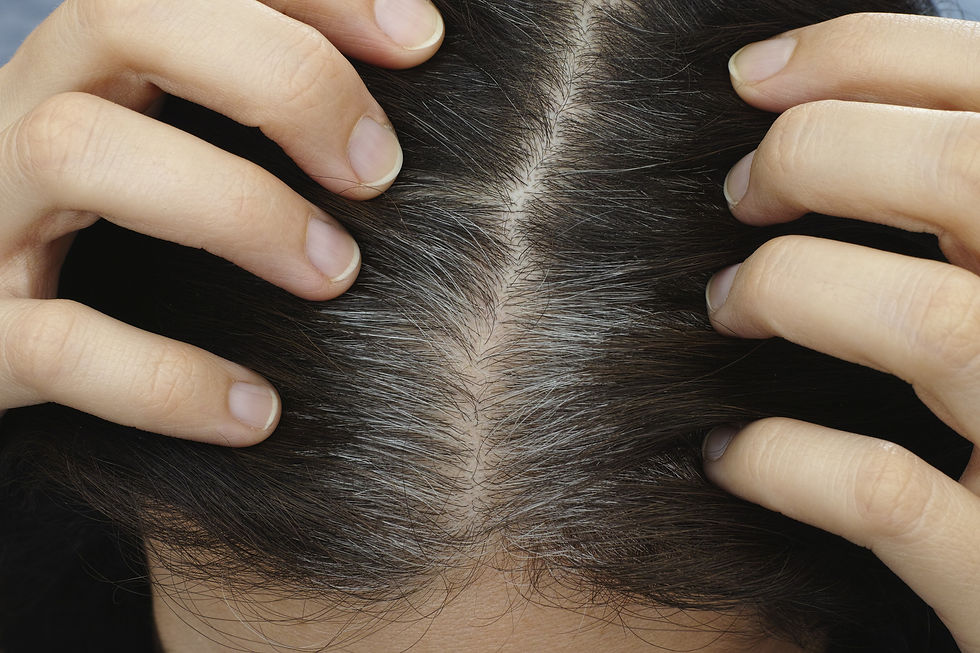
Hair thinning and hair loss patterns can vary widely among individuals.
Unique Aesthetic Goals
People often have different expectations regarding hair density, hairline shape, and overall appearance.
Supporting Better Outcomes
Personalized planning helps align treatment strategies with individual objectives.

Understanding Individual Hair Characteristics
Hair Texture and Thickness
Natural hair characteristics can influence treatment planning and aesthetic goals.
Hair Growth Patterns
Each person's hair grows in a unique direction and pattern.
Existing Hair Density
The amount of remaining hair often plays a role in determining restoration strategies.
Many individuals visit Dynamic Life Clinic in Dubai to discuss their hair concerns, evaluate their hair characteristics, and receive personalized recommendations designed around their specific needs and expectations.
Assessing Hair Loss Patterns
Different Areas of Concern
Some individuals are primarily concerned about the hairline, while others focus on the crown or overall thinning.
Varying Degrees of Hair Loss
The extent of hair loss often influences treatment recommendations.
Individual Restoration Priorities
Each person may have unique goals regarding coverage and appearance.
Creating Personalized Hairline Designs
Complementing Facial Features
Hairline planning often takes facial proportions into consideration.
Supporting Natural Appearance
Many individuals seek results that blend seamlessly with their overall look.
Reflecting Personal Preferences
Hairline design is often customized according to aesthetic goals.
Aligning Treatment With Personal Goals
Defining Desired Outcomes
Individuals may have different expectations regarding fullness and density.
Understanding Lifestyle Preferences
Personal priorities often influence treatment planning.
Supporting Long-Term Satisfaction
Customized approaches help ensure that goals remain realistic and achievable.
The Importance of Consultation
Exploring Individual Concerns
Consultation allows individuals to discuss their specific hair restoration objectives.
Evaluating Hair Characteristics
Professional assessment helps guide personalized recommendations.
Building a Customized Plan
Each treatment strategy is often designed according to the individual's unique situation.
Benefits of a Tailored Approach
More Personalized Results
Customized planning helps create outcomes that align with personal expectations.
Improved Facial Harmony
Hair restoration often focuses on enhancing overall appearance.
Greater Confidence
Many individuals feel more satisfied when treatment reflects their specific goals.
Looking Toward Long-Term Hair Restoration Success
Supporting Individual Preferences
Personalized treatment plans are often built around long-term objectives.
Maintaining Natural Appearance
Many individuals prioritize results that look authentic and balanced.
Encouraging Lasting Satisfaction
For many people, زراعة الشعر becomes part of a carefully planned journey designed to improve appearance, restore confidence, and achieve results that feel uniquely suited to them.
Conclusion
Hair transplant treatment is tailored to individual needs through careful evaluation of hair characteristics, hair loss patterns, facial features, and personal goals. Because no two individuals experience hair loss in exactly the same way, personalized planning remains a central part of the restoration process. By focusing on customization and natural-looking outcomes, hair restoration strategies are often designed to help individuals achieve results that align with their appearance, expectations, and long-term goals.
FAQs
Why is hair transplant treatment personalized?
Every individual's hair characteristics, hair loss pattern, and aesthetic goals are unique.
What factors influence treatment planning?
Hair texture, density, growth patterns, and personal preferences often play important roles.
Why is consultation important?
Consultation helps evaluate individual needs and create a customized restoration plan.
Does hairline design vary between individuals?
Yes, hairline planning is often tailored according to facial features and aesthetic goals.
Can personalized treatment improve satisfaction?
Many individuals appreciate results that are specifically designed around their unique needs and expectations.

Comments